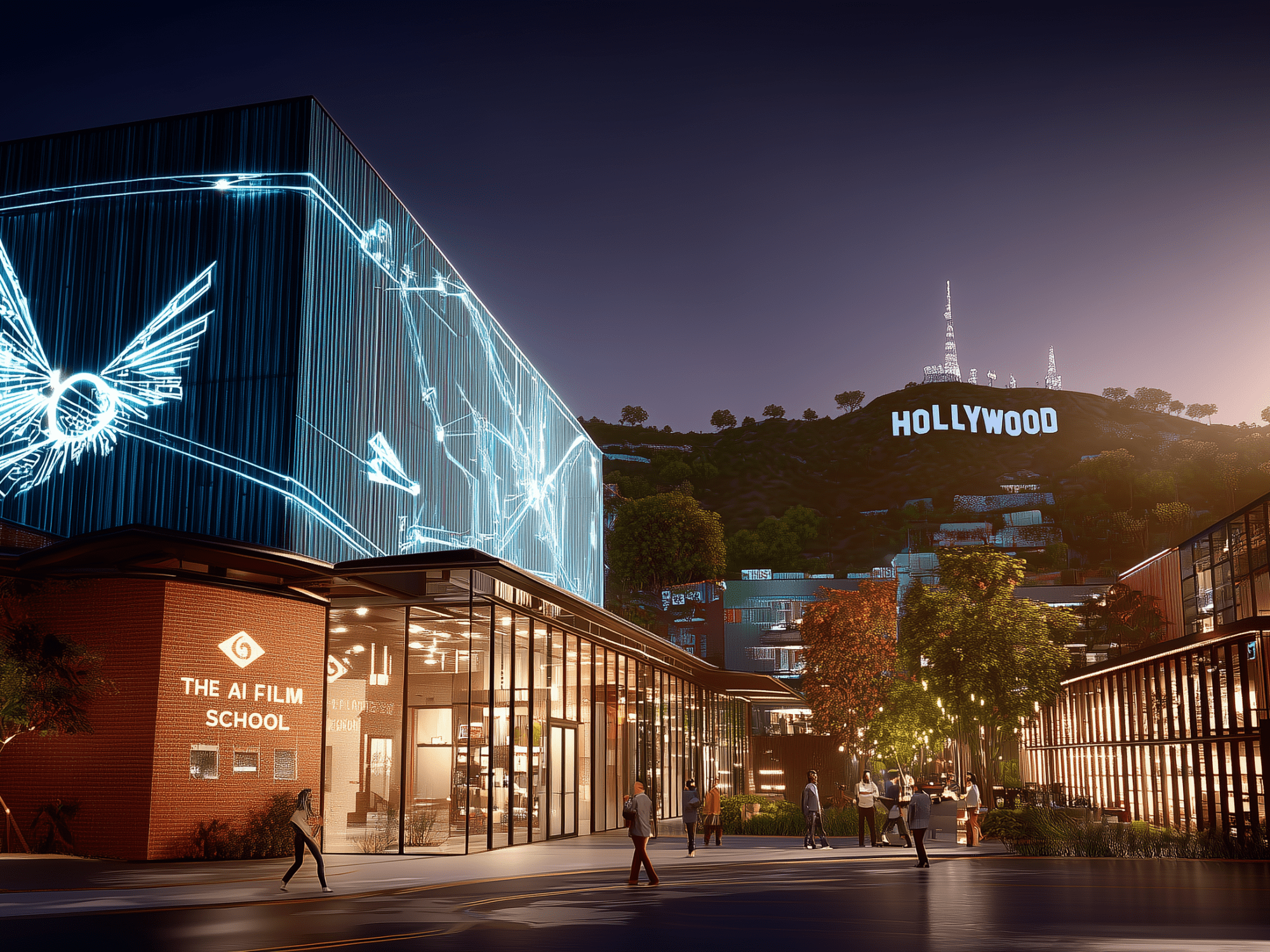
Program Overview
Duration: 2-Year Intensive Program
Structure: Core Foundation + Specialized Streams + Capstone Projects
Philosophy: Bridging traditional filmmaking craft with cutting-edge AI technology
Year 1: Foundation Courses (Required for All Students)
Semester 1: AI Fundamentals & Film Theory
Course 1.1: Introduction to AI in Creative Industries
- History and evolution of AI in media
- Understanding machine learning, neural networks, and generative models
- Ethics in AI creativity and intellectual property
- Current landscape: tools, platforms, and industry adoption
Course 1.2: Visual Storytelling in the AI Era
- Classic narrative principles adapted for AI workflows
- Visual language and cinematic grammar
- Storyboarding with AI assistance
- Character development and world-building with AI tools
Course 1.3: AI-Assisted Pre-Production
- Concept art generation (Midjourney, DALL-E, Stable Diffusion)
- Location scouting and set design visualization
- Costume and prop conceptualization
- Casting and character design with AI
Course 1.4: Prompt Engineering for Filmmakers
- Advanced prompting techniques for visual content
- Style transfer and aesthetic control
- Consistency maintenance across scenes
- Multi-modal prompting (text-to-image, text-to-video)
Semester 2: Production Fundamentals
Course 2.1: AI Video Generation Technologies
- Comprehensive overview: Runway, Pika, Stable Video Diffusion
- Understanding latent space and temporal consistency
- Limitations and workarounds in current AI video tools
- Hybrid approaches: AI + traditional filming
Course 2.2: Virtual Production & Digital Environments
- AI-generated backgrounds and environments
- Real-time compositing and virtual sets
- Motion capture integration with AI-generated characters
- Lighting and cinematography in virtual spaces
Course 2.3: AI Audio & Music Production
- AI voice synthesis and cloning
- Music generation and adaptive scoring
- Sound design with AI tools
- Dialogue enhancement and audio restoration
Course 2.4: Data Management & Asset Organization
- Version control for AI-generated content
- Metadata and asset tagging systems
- Collaborative workflows in AI production
- Legal documentation and rights management
Year 2: Specialized Streams
Stream A: AI Directing & Creative Leadership
Course A.1: Vision Development & Style Direction
- Creating coherent visual styles across AI tools
- Directing AI outputs to match creative vision
- Working with AI as a collaborative creative partner
- Managing human-AI hybrid production teams
Course A.2: AI Cinematography & Visual Design
- Camera movement simulation in AI video
- Lighting design and mood creation
- Color grading and visual effects integration
- Advanced compositing techniques
Course A.3: Performance Direction with AI Characters
- Directing AI-generated characters and performances
- Emotion and expression control in AI systems
- Integrating human actors with AI elements
- Motion capture and performance translation
Course A.4: Project Management & AI Workflows
- Scaling AI production pipelines
- Budget planning for AI-assisted productions
- Quality control and output evaluation
- Team coordination in hybrid productions
Stream B: AI Post-Production & Technical Mastery
Course B.1: Advanced AI Video Editing
- Automated editing with AI assistance
- Scene detection and story structure analysis
- AI-powered color correction and enhancement
- Temporal effects and transition generation
Course B.2: AI-Enhanced Visual Effects
- Rotoscoping and keying with AI tools
- Object removal and scene manipulation
- AI-generated particles and environmental effects
- Integration with traditional VFX pipelines
Course B.3: Audio Post-Production with AI
- Advanced voice synthesis and modification
- AI-driven foley and sound effect creation
- Automated dialogue replacement (ADR) with AI
- Spatial audio and immersive sound design
Course B.4: Rendering Optimization & Quality Control
- Understanding AI model limitations and artifacts
- Upscaling and enhancement techniques
- Consistency maintenance across sequences
- Export optimization for different platforms
Stream C: AI Screenwriting & Narrative Design
Course C.1: AI-Assisted Script Development
- Collaborative writing with language models
- Character development and dialogue generation
- Plot structure analysis and story beats
- Genre adaptation and style matching
Course C.2: Interactive & Branching Narratives
- Creating content for AI-driven interactive media
- Adaptive storytelling based on viewer input
- Procedural narrative generation
- Transmedia storytelling across platforms
Course C.3: Research & Development Writing
- World-building for AI-generated content
- Creating style guides and creative briefs
- Documentation for AI training and fine-tuning
- Intellectual property development and protection
Course C.4: Content Strategy & Distribution
- Platform-specific content optimization
- AI-driven content personalization
- Audience analysis and engagement metrics
- Monetization strategies for AI content
Stream D: AI Innovation & Emerging Technologies
Course D.1: Cutting-Edge AI Tools & Technologies
- Latest developments in generative AI
- Custom model training and fine-tuning
- Experimental AI applications in film
- Research methodologies and testing frameworks
Course D.2: Virtual Reality & Immersive Media
- AI-generated VR/AR content creation
- Spatial storytelling and 360-degree narratives
- Interactive character development
- Real-time rendering and optimization
Course D.3: AI Ethics & Future Implications
- Deepfakes and authenticity concerns
- Labor implications and industry transformation
- Bias in AI systems and content creation
- Regulatory landscape and compliance
Course D.4: Entrepreneurship & Innovation Lab
- Developing AI-powered creative tools
- Startup methodologies for creative tech
- Intellectual property and patent strategies
- Investor relations and funding strategies
Cross-Stream Collaborative Courses
Collaborative Studio Projects (Both Years)
- Team-based productions combining all specializations
- Client-based projects with real-world constraints
- Festival submission and exhibition opportunities
- Industry mentorship and networking
Industry Partnerships & Internships
- Placement programs with AI technology companies
- Production house collaborations
- Startup incubator participation
- Professional networking events
Research & Development Labs
- Student-led research projects
- Tool development and testing
- Open-source contribution opportunities
- Academic publication and conference participation
Capstone Projects (Final Semester)
Option 1: Feature-Length AI Film Production
- Complete 60-90 minute film using primarily AI tools
- Team-based production with defined roles
- Festival submission and distribution strategy
Option 2: AI Tool Development Project
- Create innovative AI-powered filmmaking tool
- Technical documentation and user testing
- Potential commercialization pathway
Option 3: Industry Research Thesis
- In-depth analysis of AI impact on film industry
- Original research with industry partnerships
- Publication-ready academic work
Assessment Methods
Continuous Assessment (60%)
- Weekly project submissions
- Peer review and collaboration evaluation
- Technical skill demonstration
- Creative portfolio development
Major Projects (30%)
- Mid-semester productions
- Cross-stream collaborative works
- Industry client projects
- Tool development milestones
Final Assessment (10%)
- Capstone project presentation
- Industry portfolio review
- Comprehensive skill demonstration
- Professional development planning
Required Technology & Software
AI Platforms & Tools
- Runway ML, Pika Labs, Stable Video Diffusion
- Midjourney, DALL-E, Adobe Firefly
- ElevenLabs, Mubert, AIVA
- Custom training environments (Colab, Replicate)
Traditional Filmmaking Software
- Adobe Creative Suite (Premiere, After Effects, Audition)
- DaVinci Resolve, Avid Media Composer
- Blender, Cinema 4D
- Pro Tools, Logic Pro
Development & Technical Tools
- Python programming environment
- Git version control
- Cloud computing platforms (AWS, Google Cloud)
- Database management systems
Industry Connections & Career Pathways
Graduate Career Tracks
- AI Film Director/Producer
- AI Technical Artist/Specialist
- Creative AI Consultant
- AI Tool Developer
- Virtual Production Supervisor
- AI Content Strategist
- Research & Development Specialist
Industry Partners
- Major studios adopting AI workflows
- AI technology companies (OpenAI, Anthropic, Stability AI)
- Post-production houses and VFX studios
- Streaming platforms and content distributors
- Independent film collectives and festivals
Alumni Network & Mentorship
- Industry professional mentorship program
- Alumni career placement assistance
- Ongoing professional development workshops
- Annual industry showcase and networking event
Admission Requirements
Academic Prerequisites
- Bachelor’s degree in film, media, computer science, or related field
- Portfolio of creative work (traditional or digital)
- Technical aptitude assessment
- Statement of purpose and career goals
Technical Requirements
- Basic understanding of digital media production
- Familiarity with creative software applications
- Willingness to learn programming fundamentals
- Access to high-performance computing resources
Creative Assessment
- Portfolio review demonstrating visual storytelling ability
- Interview assessing creative vision and adaptability
- Collaborative project simulation
- Problem-solving and innovation evaluation
 AI Film Studio